
The Core Trade-Off
Air freight and sea freight are not competing options — they serve different needs. Air is fast and reliable, sea is economical for volume. The decision is really about where your shipment sits on that spectrum.
Most businesses end up using both at different times depending on the situation: sea freight for planned, regular stock replenishment, and air freight for urgent orders, product launches, or situations where a delay would have a direct commercial cost.
✈ Air Freight
- Fast transit, typically days not weeks
- High reliability and tracking visibility
- Ideal for low-volume, high-value goods
- Works well when timing is critical
- Higher cost per kilogram
- Volume and weight limits apply
🚢 Sea Freight
- Most economical for large or heavy cargo
- Full container (FCL) or shared load (LCL)
- Longer transit — plan stock accordingly
- Main entry ports: Valencia, Barcelona
- Best for regular, planned imports
- Subject to port congestion and seasonal rate shifts
When Air Freight from China to Spain Makes Sense
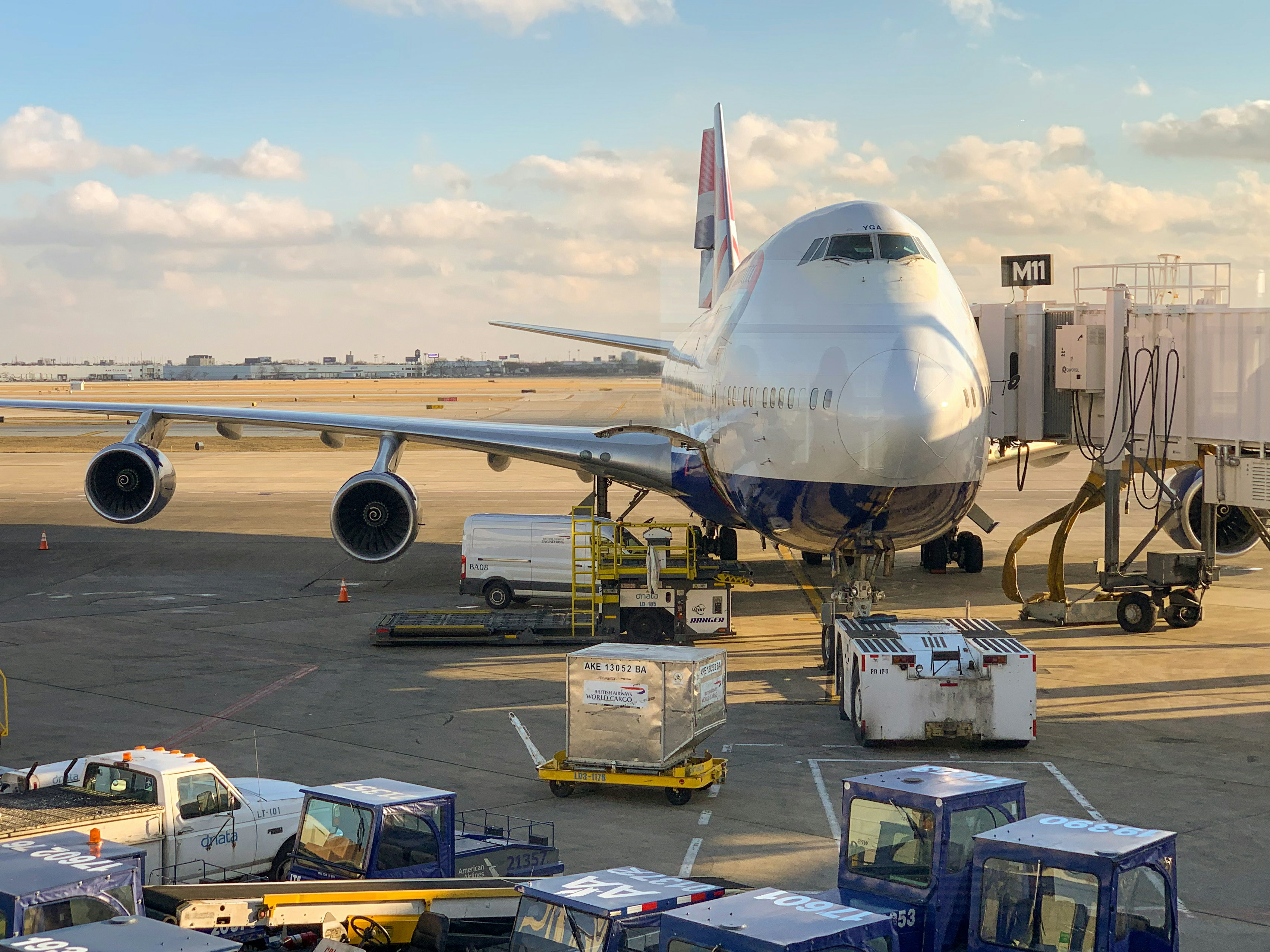
Air cargo is the right call when time is the deciding factor. If a production line is waiting for a component, a retail launch depends on stock arriving by a fixed date, or a client has contractual delivery commitments, the cost premium of air freight is usually justified by the cost of the alternative.
It also works well for goods where the ratio of value to weight is high — electronics, medical devices, luxury goods, spare parts — where the freight cost represents a small percentage of the total shipment value. For these products, the speed and reduced inventory holding time often offset the higher transport cost.
The main airports for cargo arriving from China into Spain are Madrid-Barajas (MAD) and Barcelona-El Prat (BCN), both with established customs and handling infrastructure.
When Sea Freight from China to Spain Makes Sense
Sea freight is the backbone of China–Spain trade for a simple reason: it is by far the most cost-effective way to move large quantities of goods. For anything measured in pallets, cubic metres, or full containers — furniture, machinery, textiles, consumer goods, raw materials — sea freight is almost always the right starting point.
Spain's main container ports for China imports are Valencia and Barcelona on the Mediterranean coast. Valencia in particular is known for fast customs processing and good connections to the main road network, making it an efficient entry point for goods destined for Madrid and central Spain.
The key planning discipline with sea freight is lead time. Transit from Chinese ports takes several weeks, so stock management and order cycles need to account for that — plus customs clearance time on arrival in Spain.
LCL vs FCL: If your volume does not fill a full container, Less than Container Load (LCL) lets you share space with other shippers. It costs less upfront but adds transit time and slightly more handling risk. Full Container Load (FCL) gives you a dedicated box — worth it once your volumes make it viable.
The Factors That Actually Drive the Decision
In practice, most experienced importers weigh up four things:
- Urgency: How critical is the delivery date? Can the business absorb a delay?
- Volume and weight: Small, light shipments can go by air without a prohibitive cost. Larger volumes almost always go by sea.
- Product value: High-value goods can absorb air freight costs more easily. Bulk or commodity goods cannot.
- Frequency: Regular importers often split their supply chain — sea for base stock, air for replenishment when needed.
What About Customs in Spain?
Regardless of whether goods arrive by air or sea, all imports from China into Spain require customs clearance — an import declaration (DUA), payment of import duties based on the product's HS code, and import VAT (IVA). The process is the same; what changes is where it happens (airport or port) and the timeframes involved.
A freight forwarder with a licensed customs agent (agente de aduanas) in Spain handles this on your behalf — pre-lodging the declaration, managing any physical inspections, and ensuring goods are released promptly. This is particularly important for sea freight, where delays in customs can generate port storage charges.
Not Sure Which Option Fits Your Shipment?
Every shipment is different. The right answer depends on details that a brief conversation can clarify — what you are shipping, where it is going in Spain, and what your timeline and priorities are.
We work with companies importing from China to Spain regularly, coordinating both air and sea freight depending on what each situation calls for. If you have a shipment in mind and are not sure how to approach it, get in touch — we are happy to talk it through with no obligation.