The EU-South Korea Free Trade Agreement
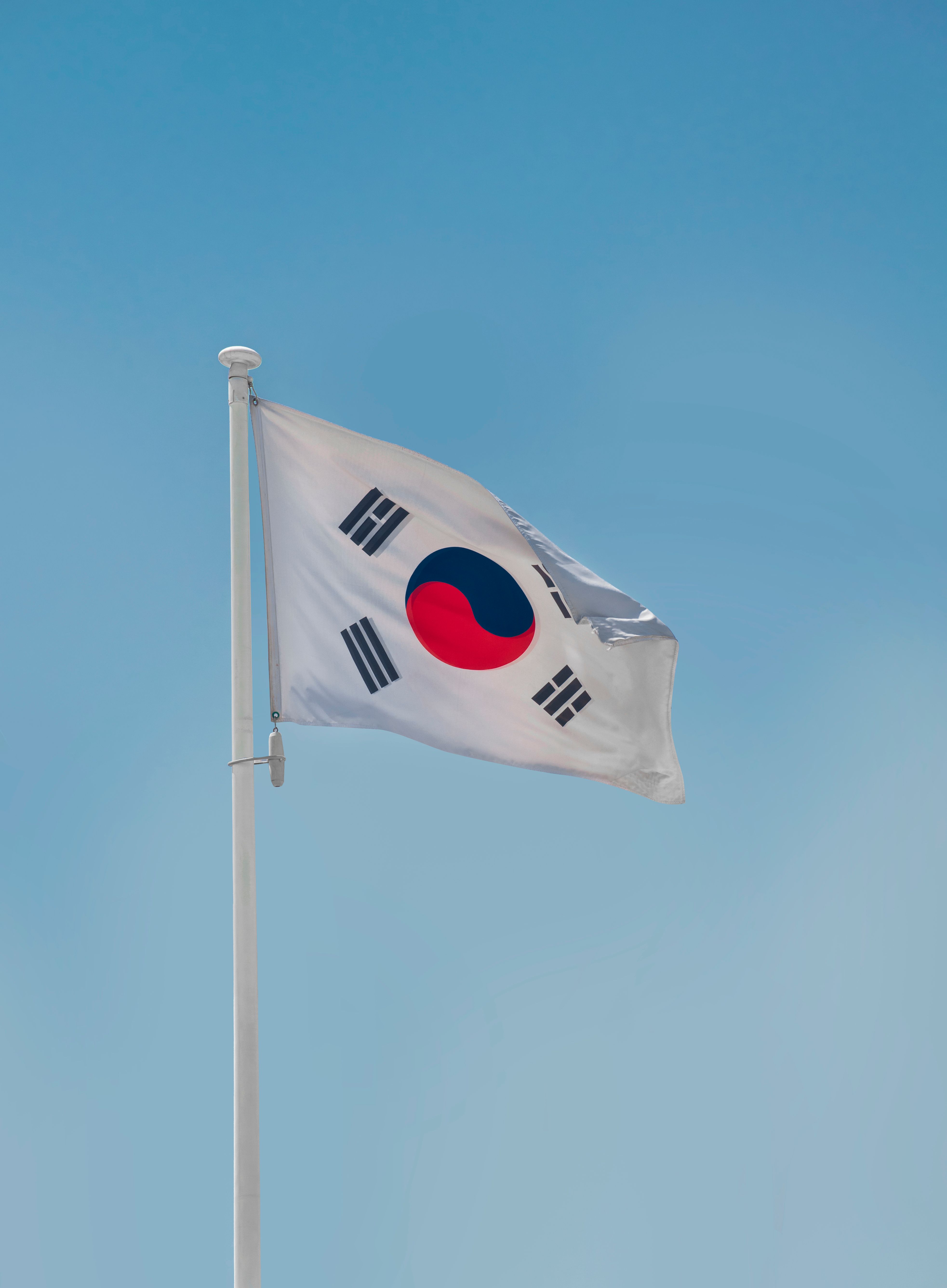
The EU-Korea FTA entered into provisional application on 1 July 2011 — making South Korea the first Asian country to sign a comprehensive FTA with the EU. It fully entered into force in December 2015. The agreement eliminated duties on around 97% of goods traded between South Korea and EU member states over a 3 to 5 year transition period. That transition is complete: the vast majority of Korean goods now enter Spain at zero import duty.
The sectors that benefited most on the import side include electronics, vehicles and automotive parts, steel, machinery and chemicals — all major Korean export categories. Remaining exceptions are limited to a small number of sensitive agricultural products.
The FTA eliminates duties — not the customs process. Even at 0% duty, a full customs declaration (DUA) must still be filed in Spain, import VAT (21%) applies, and the origin document must be presented. Without the EUR.1 or invoice declaration, Spanish customs defaults to standard MFN tariff rates.
Origin Documentation: Declaration on Invoice
The EU-Korea FTA does not use EUR.1 movement certificates. The only valid proof of origin under this agreement is an origin declaration made directly on the commercial invoice (or another commercial document such as a delivery note) by the Korean exporter.
The declaration is a specific statement — referencing the exporter's authorisation number — confirming that the goods are of Korean preferential origin. Two rules apply depending on shipment value:
- Up to €6,000 customs value — any Korean exporter can make the declaration without prior authorisation
- Above €6,000 — the Korean supplier must hold approved exporter status granted by Korean customs, and must include their authorisation number in the declaration
Confirm with your supplier before the first shipment that they include this declaration on every invoice. Without it, Spanish customs will apply standard MFN tariff rates regardless of the FTA.
AJ Logistics · Madrid
Importing from South Korea to Spain?
We coordinate sea and air freight from Busan and Incheon, check FTA origin documentation and handle customs clearance at Spanish ports.
What Spanish Importers Source from South Korea
- Electronics and appliances — televisions, home appliances, semiconductors, displays. Samsung and LG are dominant global producers.
- Vehicles and automotive parts — Hyundai and Kia manufacture significant volumes for the European market; parts and components are a major category.
- Industrial machinery — manufacturing equipment, construction machinery, industrial robots.
- Steel and metal products — South Korea is one of the world's largest steel producers; note that some steel categories may be subject to EU safeguard measures.
- Chemicals and plastics — petrochemicals, specialty chemicals, synthetic resins.
- Ships and marine equipment — South Korea is a global leader in shipbuilding.
Customs Clearance in Spain
All shipments from South Korea require a full customs declaration (DUA) at the point of entry into Spain. The origin document — EUR.1 or invoice declaration — must be submitted together with the commercial invoice, packing list and bill of lading or airway bill. Import VAT at 21% is assessed on the customs value (CIF) and is recoverable by VAT-registered Spanish businesses in their quarterly IVA return.
Shipping from South Korea to Spain
South Korea's main container port is Busan, one of the busiest in the world. Sea freight from Busan to Spain takes 25 to 35 days, routing via the Suez Canal to Valencia, Barcelona or Algeciras. Air freight from Seoul Incheon or Gimhae (Busan) to Madrid takes 2 to 3 days.