
The Nine UN Hazard Classes
All dangerous goods are assigned to one of nine UN hazard classes based on the nature of the risk they pose. The class determines how the goods must be packaged, labelled, documented and handled throughout the supply chain:
- Class 1 — Explosives
- Class 2 — Gases (flammable, non-flammable, toxic)
- Class 3 — Flammable liquids (solvents, fuels, paints)
- Class 4 — Flammable solids, self-reactive and pyrophoric substances
- Class 5 — Oxidising substances and organic peroxides
- Class 6 — Toxic and infectious substances
- Class 7 — Radioactive material
- Class 8 — Corrosives (acids, bases)
- Class 9 — Miscellaneous dangerous goods (lithium batteries, dry ice, magnetised material)
Within each class, goods are further identified by a UN number — a four-digit code that specifies the exact substance or article. The correct UN number, proper shipping name, packing group and hazard class must appear on all shipping documents and packaging.
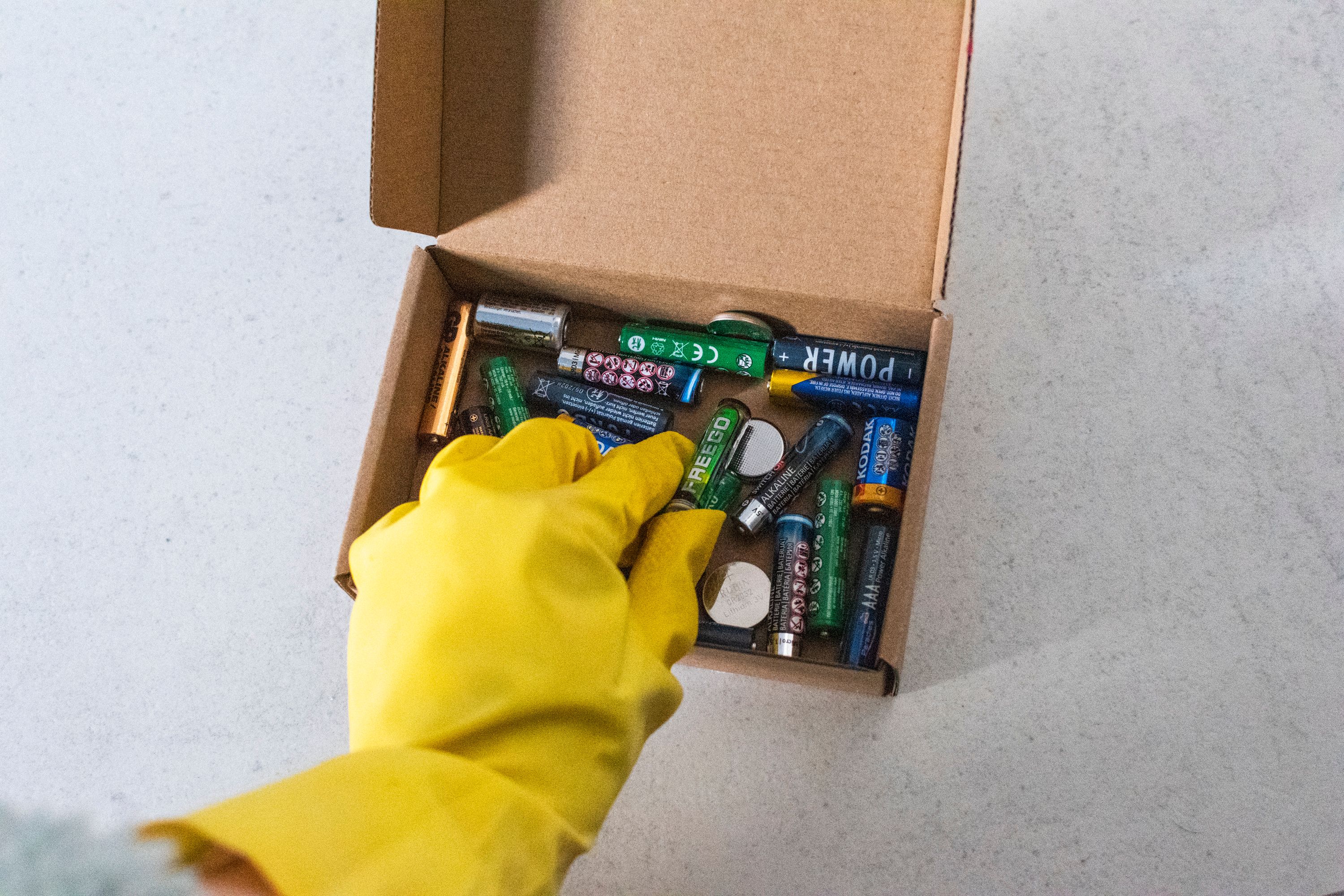
Lithium Batteries: Class 9, Four UN Numbers
Lithium batteries are one of the most commonly shipped dangerous goods categories, and one of the most frequently misdeclared. They fall under Class 9 with four distinct UN numbers depending on the battery chemistry and whether they are standalone or installed in equipment:
- UN3480 — Lithium ion batteries (standalone, not in equipment)
- UN3481 — Lithium ion batteries contained in, or packed with, equipment
- UN3090 — Lithium metal batteries (standalone)
- UN3091 — Lithium metal batteries contained in, or packed with, equipment
All lithium batteries must also be accompanied by a UN 38.3 test summary — documentation proving the batteries have passed the required safety tests under the UN Manual of Tests and Criteria.
Standalone lithium ion batteries by air (UN3480) are restricted to cargo aircraft only and must be shipped at a maximum 30% state of charge. Many airlines apply additional restrictions beyond the IATA minimum. Always confirm with the airline before booking.
Air Freight: IATA DGR Rules
Air transport is the most restrictive mode for dangerous goods. The IATA Dangerous Goods Regulations (DGR) — updated annually — define what can fly, on which type of aircraft, in what quantities and in what packaging. Some goods are forbidden on passenger aircraft but permitted on cargo-only flights; others are forbidden entirely.
The key document for air shipments is the Shipper's Declaration for Dangerous Goods (DGD), which must be completed and signed by a trained, certified person before the airline will accept the shipment. It is the shipper's legal declaration of the goods' contents, classification and compliance.
AJ Logistics · Madrid
Shipping dangerous goods or lithium batteries?
We handle hazmat freight to Spain by air and sea — correct classification, approved packaging, DGD preparation and customs clearance.
Sea Freight: IMDG Code
For ocean freight, the governing framework is the IMDG Code, published by the International Maritime Organization (IMO). The IMDG Code sets out segregation requirements (which hazard classes cannot be stowed near each other), packaging specifications, marking and labelling rules, and the documentation that must accompany the shipment.
At minimum, a sea freight dangerous goods shipment requires a Dangerous Goods Declaration completed by the shipper, correct IMDG labels on each package, and stowage instructions for the carrier. The booking must be made as a hazmat booking — not a standard container booking.
Road Transport in Spain: ADR
Once dangerous goods arrive at a Spanish port or airport and are cleared through customs, their onward road transport is governed by ADR — the European Agreement concerning the International Carriage of Dangerous Goods by Road. ADR requires an appropriate transport document, correctly marked and labelled packages, hazard placards on the vehicle, and ADR-certified drivers carrying the required safety equipment.
Not all hauliers in Spain are ADR-certified for all classes of goods. Confirm with your freight forwarder that the last-mile carrier has the correct ADR certification for your specific hazard class before the shipment arrives.