Sea Freight to Spain: Ports, Transit Times and What to Expect
August 12, 2026· 5 min read· AJ Logistics, Madrid
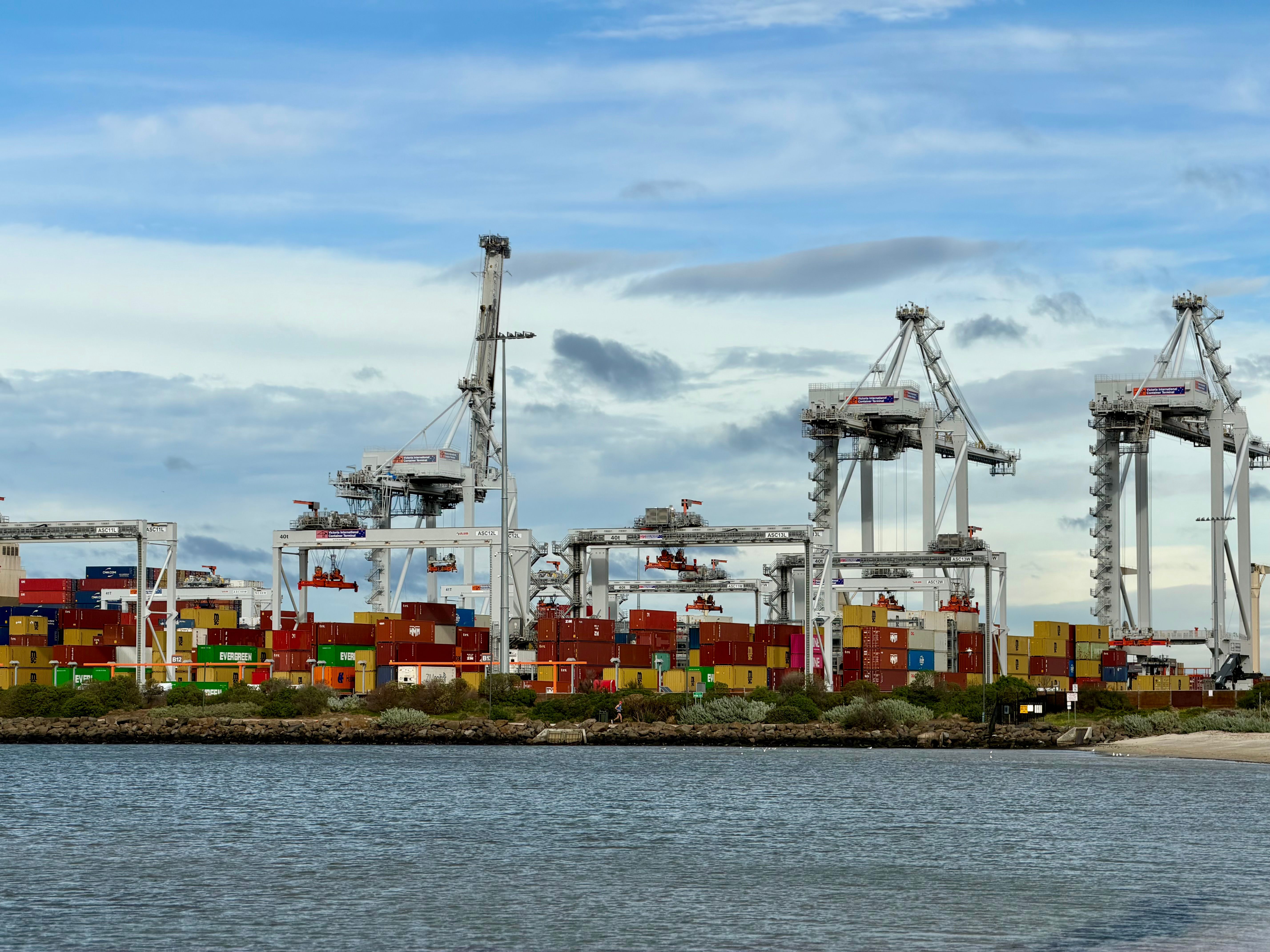
Valencia is Spain's largest container port and one of the busiest in the Mediterranean.
Sea freight is the backbone of global trade — and for most large, heavy or non-urgent shipments into Spain, it is the only practical option. This guide covers the essentials: which ports handle cargo, how long it takes, the difference between FCL and LCL, and what happens at Spanish customs when your container arrives.
At a glance
Main portsValencia, Algeciras, Barcelona, Bilbao
From China25–35 days port-to-port
From USA East Coast12–18 days port-to-port
Customs clearance1–3 working days with complete documentation
Import VAT21% IVA on CIF value (goods + sea freight + insurance)
Which ports handle sea freight in Spain?
Spain has an extensive port network, but most international container traffic moves through four main hubs:
Valencia
Port of Valencia · VLC
Spain's largest container port and one of Europe's top five. Strong connections to Asia, Latin America and Northern Europe. Central location for distribution across the Iberian Peninsula.
Algeciras
Port of Algeciras · AGP
Spain's main transshipment hub, positioned at the Strait of Gibraltar where Atlantic and Mediterranean routes converge. Key gateway for traffic from Asia, the Americas and West Africa.
Barcelona
Port of Barcelona · BCN
Major port for northeastern Spain and southern Europe. Well connected to Asia and the Mediterranean. Close proximity to industrial zones in Catalonia.
Bilbao
Port of Bilbao · BIO
Spain's main Atlantic port, handling freight from the UK, Northern Europe and North America. Primary gateway for the northern regions of Spain.
The right port for your shipment depends on origin, carrier routing and final destination within Spain. A freight forwarder familiar with Spain's port infrastructure can advise on which entry point gives you the best combination of transit time and inland cost.
FCL or LCL — which is right for your shipment?
The two main options for sea freight are Full Container Load (FCL) and Less than Container Load (LCL). The right choice depends on the size of your shipment:
FCL
LCL
How it works
Your cargo fills an entire 20ft or 40ft container
Your cargo shares a container with other shippers
Best for
Large shipments; full pallet loads
Smaller volumes; partial loads
Cost basis
Per container
Per cubic metre or tonne
Transit time
Faster — no consolidation delays
Slightly longer due to groupage handling
Risk
Lower — only your cargo inside
Higher — more handling at origin and destination
As a rough guide, if your cargo fills more than about half a 20ft container, FCL usually becomes more cost-effective than LCL — and gives you more control over timing and handling.
AJ Logistics · Madrid
Shipping a container to Spain?
FCL or LCL, we handle the freight booking, port handling and customs clearance on arrival.
When your container arrives at a Spanish port, it enters a bonded terminal under customs supervision. The importer — or their appointed freight forwarder and customs agent — must file an import declaration (the DUA) with the correct product codes, declared value and supporting documents before the container can leave the port.
Once customs accepts the declaration and import duties and VAT are paid or guaranteed, the container is released. With complete documentation, this typically takes one to three working days. Missing paperwork or a customs inspection request can extend this, so it is always worth having documents in order before the vessel arrives.
One detail that regularly catches importers off guard: the sea freight cost is included in the customs value. Duty and VAT are charged on the CIF value — goods plus ocean freight plus insurance — not just the goods price alone.
Sea freight costs more than just the ocean rate. Port handling, terminal fees, customs agent charges and inland haulage all add to the bill. Before committing to a shipment, ask for a door-to-door quote that includes everything — not just the freight rate. We can give you a complete picture for your specific route and cargo.
Frequently asked questions
The four main container ports are Valencia (Spain's largest, top five in Europe), Algeciras (main transshipment hub at the Strait of Gibraltar), Barcelona (northeast Spain and Mediterranean traffic) and Bilbao (Atlantic gateway for northern Spain and UK/Northern Europe traffic). Most intercontinental container shipments to Spain arrive through one of these four.
Port-to-port transit times are roughly 25–35 days from China, 12–18 days from the USA East Coast, and 3–7 days from the UK or Northern Europe. Door-to-door times are longer once you add inland haulage at origin and destination, plus 1–3 working days for customs clearance on arrival in Spain.
FCL (Full Container Load) means your cargo occupies an entire container. LCL (Less than Container Load) means your goods share a container with other shippers and you pay only for the space used. FCL is generally faster, lower risk and more cost-effective for larger shipments. LCL suits smaller volumes but involves more handling.
On arrival, the container enters a bonded terminal. The importer or their customs agent files a DUA import declaration with the correct HS codes, declared value and supporting documents. Once accepted and duties/VAT paid, customs releases the container. With complete documentation this takes 1–3 working days. Customs may also request a physical inspection of the container.
Yes. Import duty and VAT (21% IVA) apply to all sea freight from outside the EU. Both are calculated on the CIF value — cost of goods plus the ocean freight plus insurance. This means the sea freight cost itself is part of the taxable base. Duty rates depend on the product's HS tariff code and origin country.
Sea freight makes sense for large, heavy or lower-value cargo where cost matters more than speed. Air freight is better for urgent, lightweight or high-value goods. For shipments from China, sea freight is dramatically cheaper than air but takes significantly longer. Our guide on air freight to Spain and our air vs sea freight comparison for China–Spain can help you decide.