
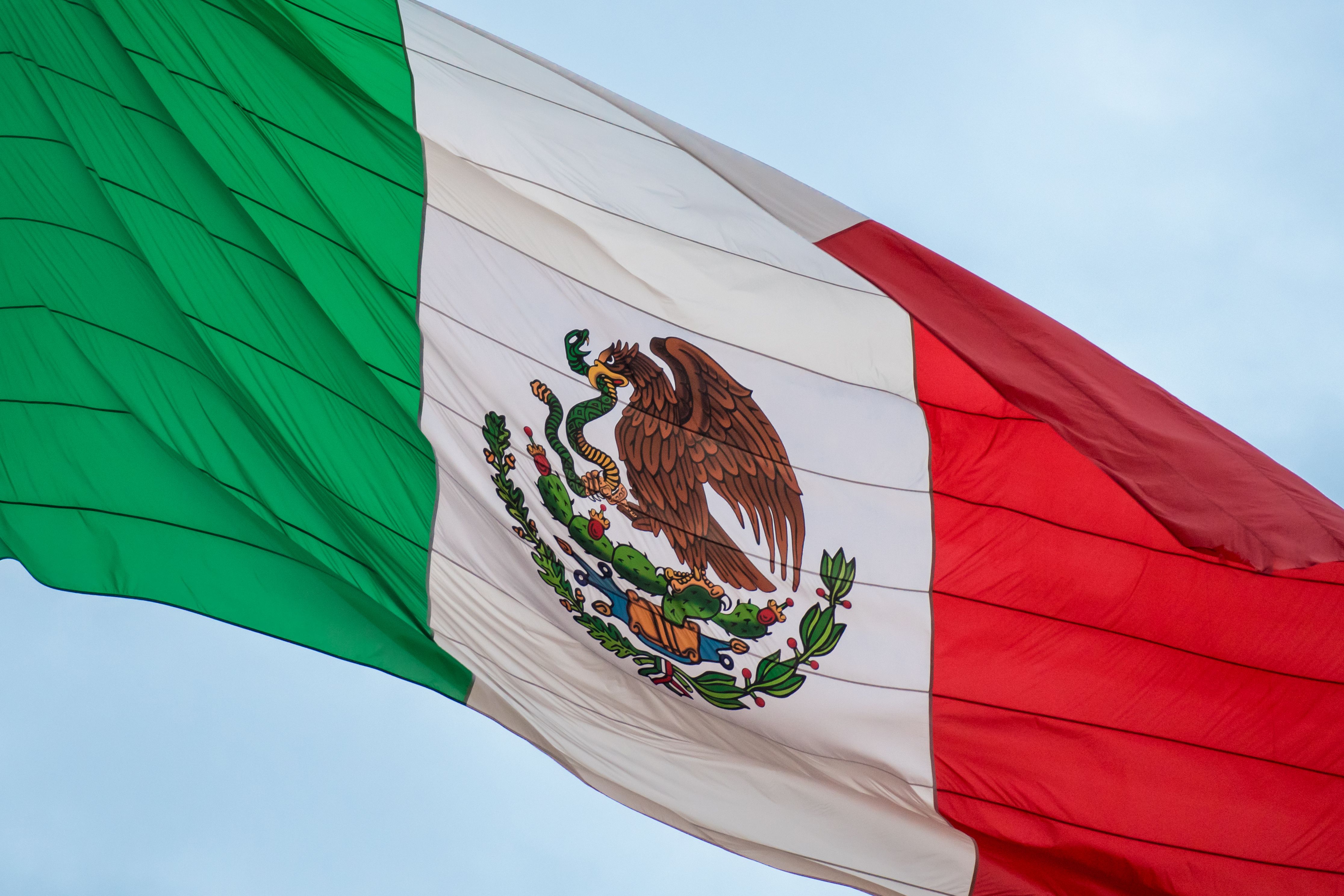
The EU-Mexico Global Agreement
The original EU-Mexico Free Trade Agreement dates to 2000. The modernised EU-Mexico Global Agreement substantially expanded its scope, covering a wider range of goods at preferential or zero duty rates, as well as services, investment and public procurement. For industrial goods, duties are largely eliminated. For agricultural products, the agreement also offers meaningful reductions, though some sensitive categories have longer phase-out periods.
The practical result for Spanish importers: goods originating in Mexico typically enter Spain at 0% or significantly reduced duty rates, rather than the standard EU MFN rate for each product category.
The agreement only applies if the goods truly originate in Mexico. Many goods manufactured in Mexico contain components from the USA, Asia or elsewhere. The rules of origin define how much processing must take place in Mexico for the goods to qualify. Your Mexican supplier can confirm whether their product meets the origin criteria.
Origin Document: EUR.1 or Invoice Declaration
To claim preferential duty rates at Spanish customs, the Mexican exporter must provide proof of origin. The two options are:
- EUR.1 movement certificate — issued by Mexican customs authorities (SAT) at the time of export. Required for higher-value shipments or when the exporter is not approved to self-declare.
- Origin declaration on the invoice — a statement added directly to the commercial invoice by an approved Mexican exporter, or by any exporter for shipments below the applicable value threshold.
Ask your supplier to confirm which option they use and ensure the document is included with the shipping papers before the goods arrive in Spain.
AJ Logistics · Madrid
Importing from Mexico?
We handle sea and air freight from Mexico to Spain, including customs clearance and EU-Mexico preferential origin documentation.
What Spain Imports from Mexico
Mexico is a major manufacturing hub for global automotive and electronics brands, and this shows in the product mix arriving in Spain. Common imports include vehicles and automotive parts, electronics and machinery components, avocados, tomatoes and other agricultural produce, tequila and beer, chemicals and pharmaceutical raw materials. Industrial goods from the automotive and electronics sectors tend to dominate by volume.
For agricultural and food products — fruit, vegetables, meat, processed foods — additional documentation is required: phytosanitary or health certificates issued by Mexican authorities, which are checked at EU border inspection posts on arrival in Spain.
Shipping from Mexico to Spain
Veracruz on the Atlantic coast is Mexico's main container port and the most direct departure point for Spain. Sea transit from Veracruz to Valencia, Barcelona or Algeciras takes 15 to 20 days. Shipments from Pacific coast ports — Manzanillo, Lázaro Cárdenas — typically route via the Panama Canal and take 22 to 28 days. Air freight from Mexico City (MEX) to Madrid (MAD) takes approximately 12 hours on direct services.